NZ Registered Private School • NZ Registered Montessori Trained Teacher • Years 1–8 • Whitby, Porirua. Scholarships available.
Strong academics. Individual attention. A genuine love of learning.
A small Montessori primary school in Whitby, Porirua, where children are known well and taught at the level that is right for them — while building strong academic foundations.
Serving families from Porirua and across Aotearoa with accessible Montessori.
WHY PORIRUA MONTESSORI?
A school where your child doesn't have to fit into one box
Children do not all learn the same things at the same time.
A six-year-old may be ready for more challenging maths while still building confidence with writing. An older child may need to revisit an important reading or maths concept before moving ahead. Another child may become deeply interested in volcanoes, animals, ancient civilisations or engineering and want to take their learning much further.
At Porirua Montessori, we can respond to the child in front of us.
Small by design
Our small school means children are genuinely known by their teacher. We know their strengths, interests, challenges and next steps. We ensure children are ready for life including Secondary School.
Strong academically
Children build strong foundations in reading, writing and mathematics alongside science, geography, history, art and the wider Montessori Cosmic Curriculum.
Individualised
Children receive lessons and work suited to their stage of learning rather than being restricted by whole-class pacing.
Built for independence
Children gradually learn to organise their work, make good choices, solve problems, ask for help and take responsibility for themselves and their community.
Testimonials
-
My 5 year old daughter is so much happier at Montessori, no more tears when I drop her off in the morning. And I am amazed at how much she has learned so far. She has grown so independent since attending. My eldest is neurodiverse and attended mainstream school, I wish we had Montessori when she was going through primary and intermediate
LB - Whitby, Porirua
-
Beautiful supportive Kura we enjoy being at Porirua Montessori school lovely students. Lisa is a supportive Kaiako (teacher). School values are awesome and strong on showing Tiaki.
Summer - Porirua
-
蒙氏教育注重培养独立、自律、有内驱力的孩子,其精心设计的教育环境帮助孩子抓住教育敏感期,在最佳学习时期深入的学习孩子感兴趣的东西。我们很喜欢Porirua montessori的教育理念,小班教学,混龄教学以及学校精心准备的蒙氏教具。老师是孩子的引导者而不是讲授者,我女儿在蒙氏教育的环境下,比在公立小学的时候更热爱学习,更独立自主,更自信。我们强烈推荐这所小学
Jessie - Wellington
WHAT LEARNING LOOKS LIKE
A school day that feels different
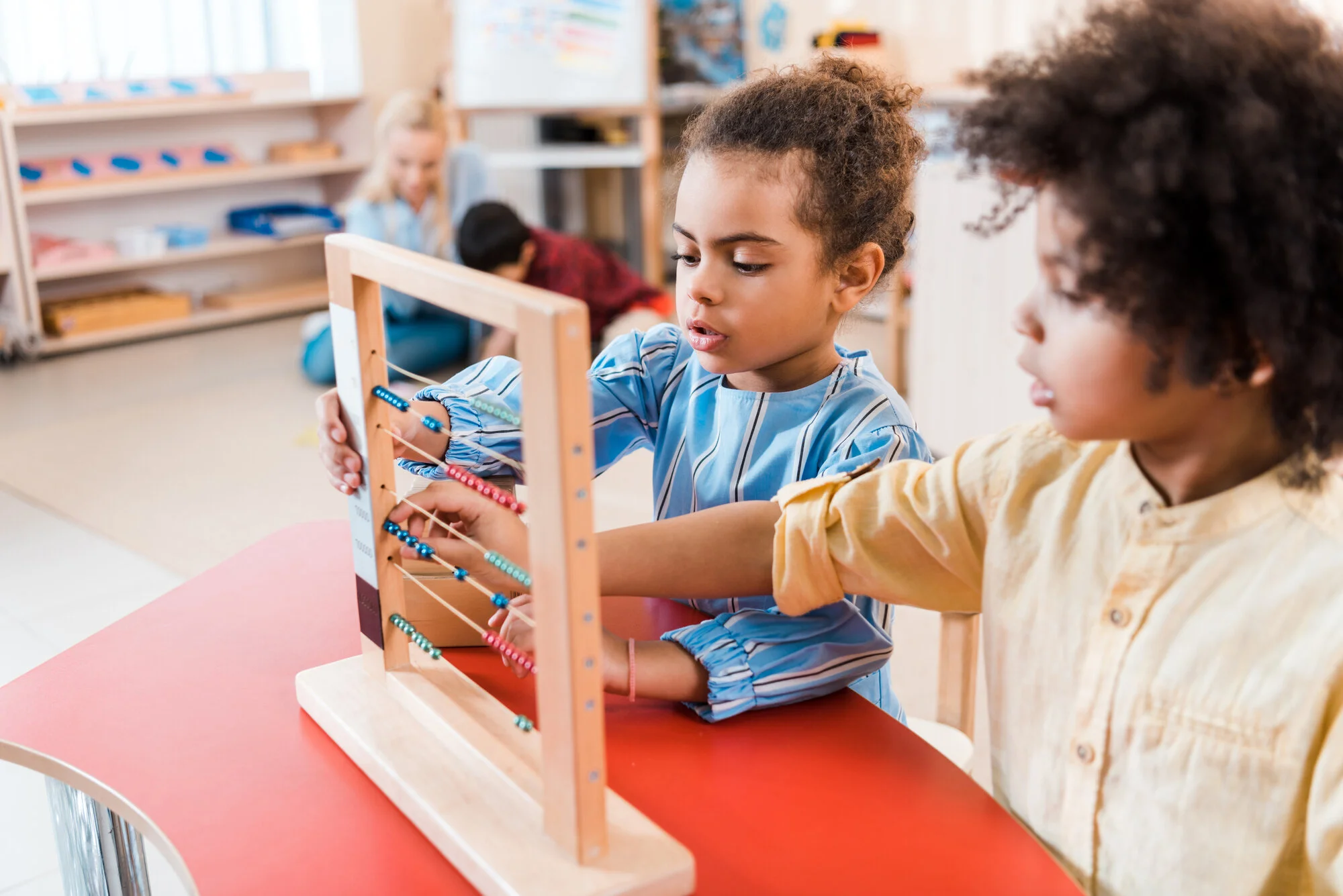
Our classroom is calm, purposeful and busy with learning.
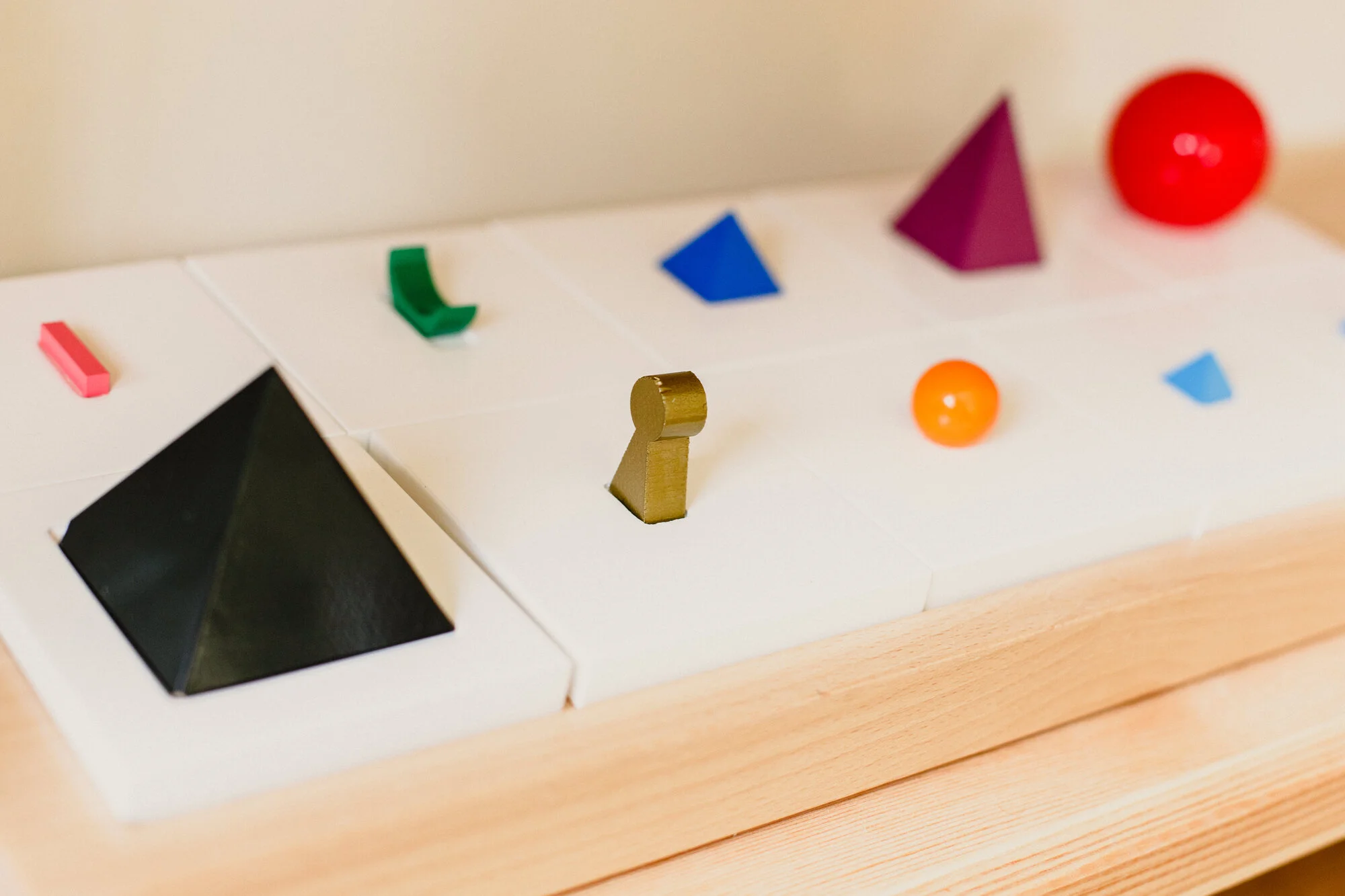
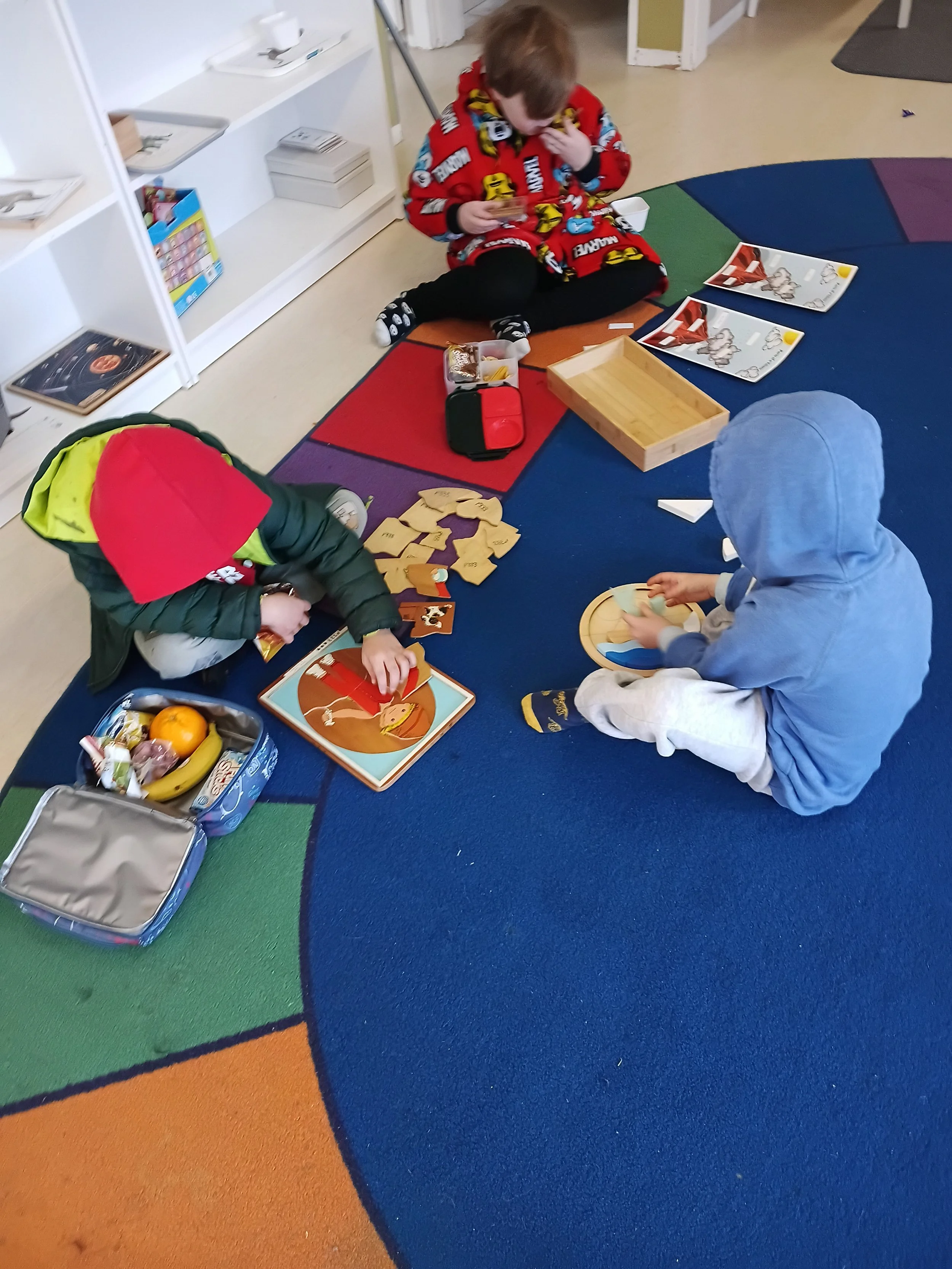
Children receive individual and small-group lessons, work with hands-on Montessori materials and have long periods of uninterrupted time to practise, investigate and complete meaningful work.
On any given day you might see a child:
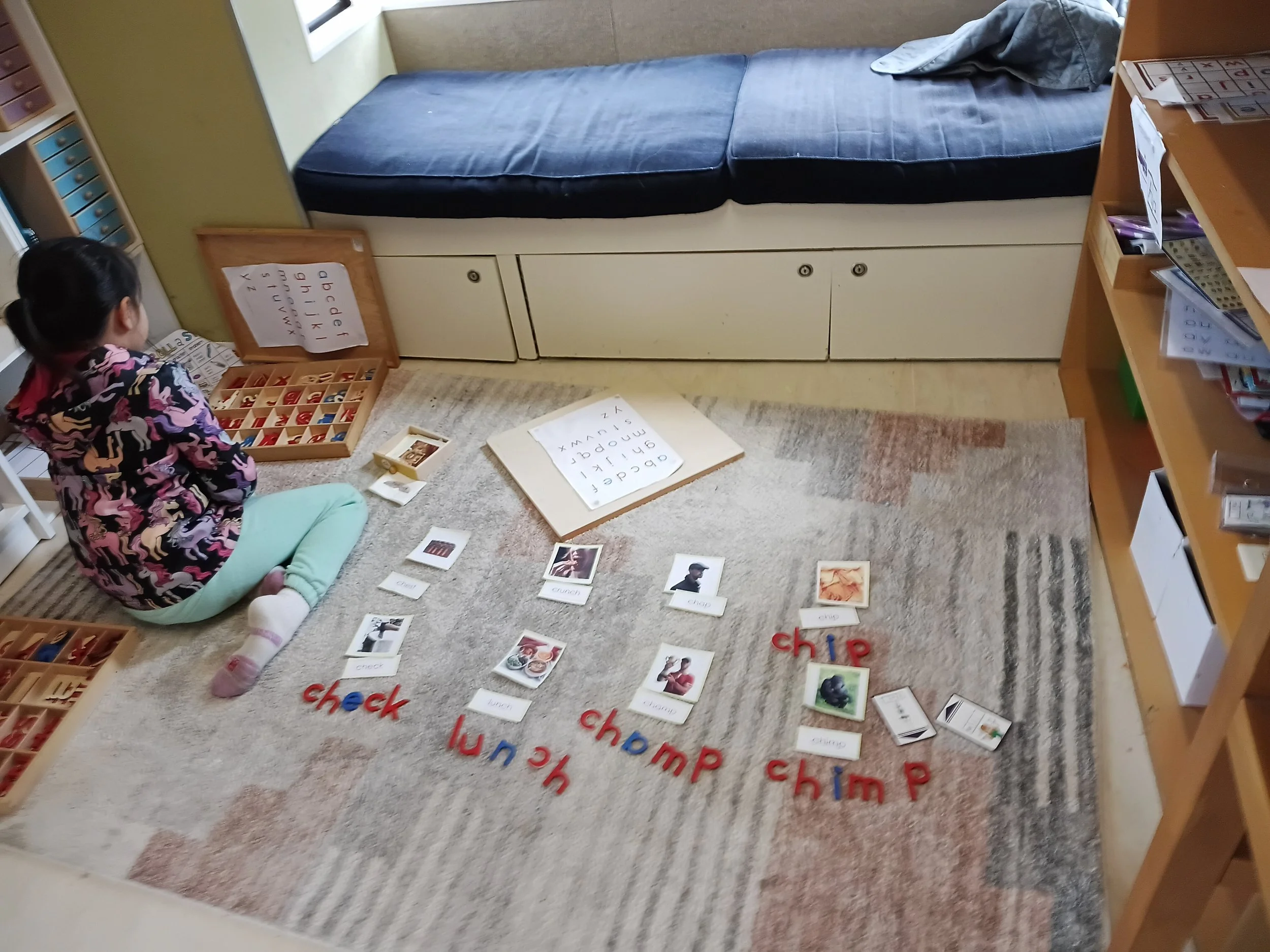
reading or working on spelling and grammar
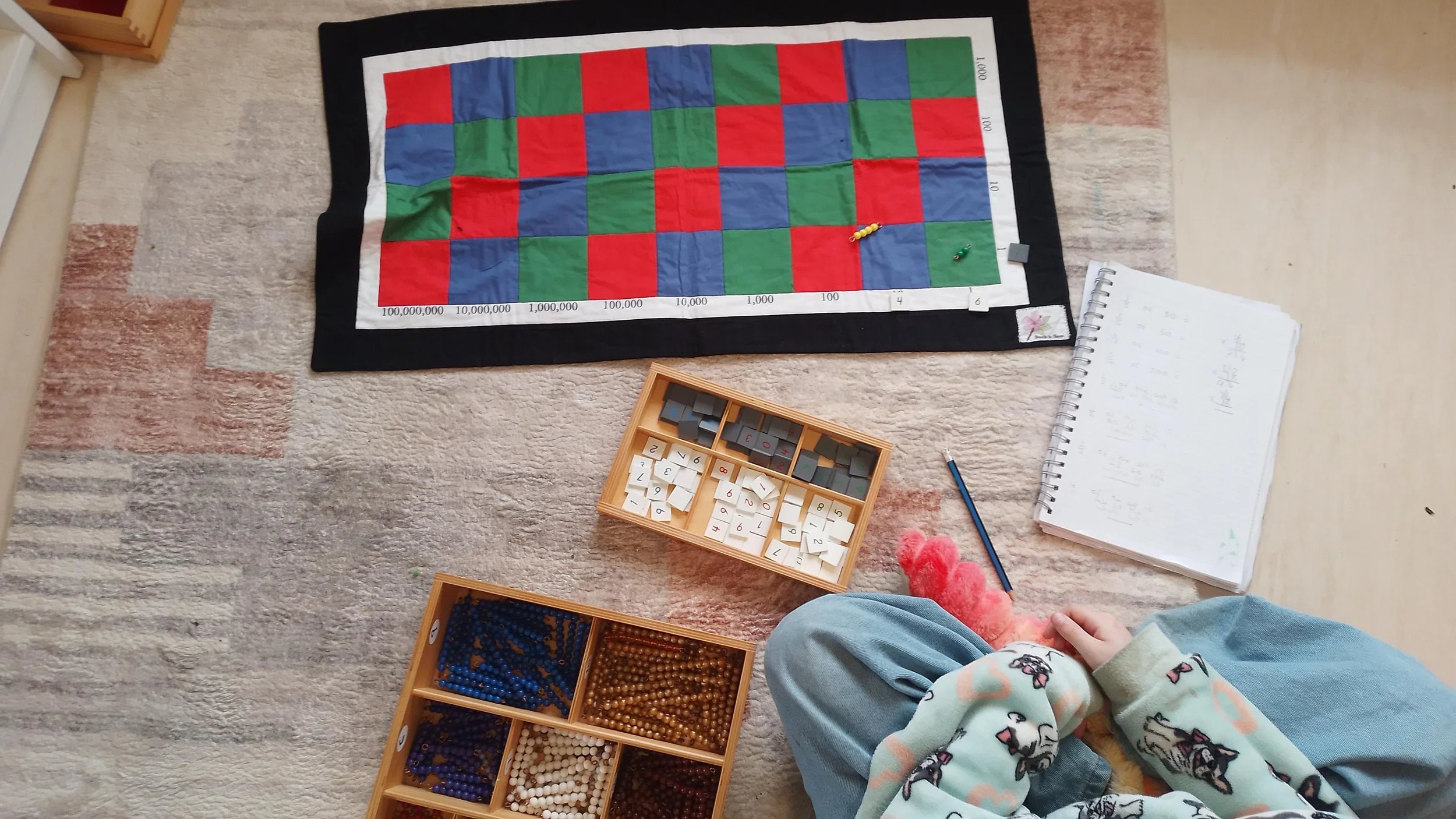
solving maths problems with Montessori materials
investigating fractions, geometry or multiplication
researching animals, volcanoes or early humans
creating art
carrying out a science investigation
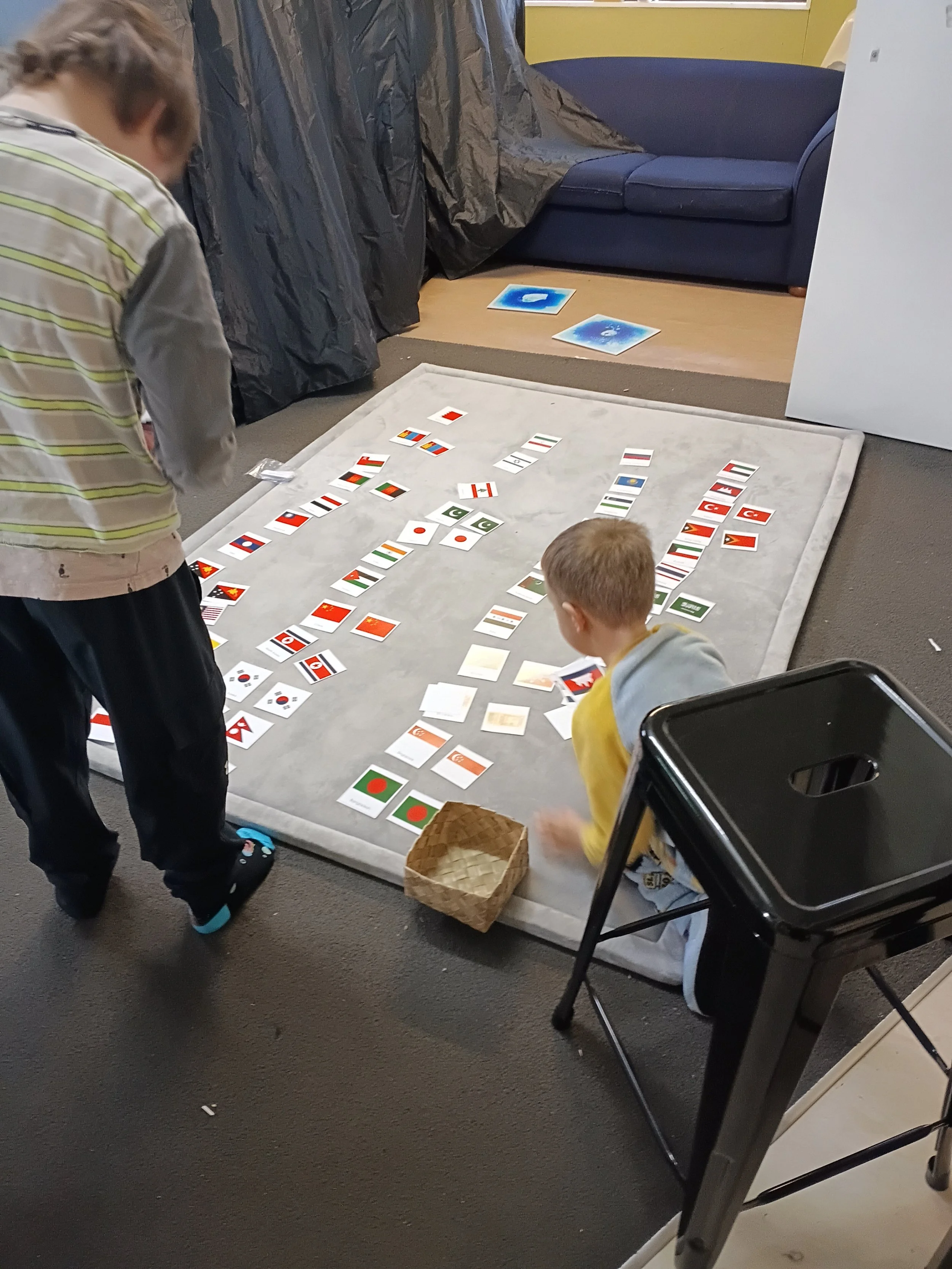
working with maps and geography materials
writing a story, report or research project
helping a younger classmate
independently choosing and completing their next piece of work
baking
There is freedom within clear boundaries. Children have choice, but Montessori is not a free-for-all. Teachers carefully observe progress, give explicit lessons and make sure children continue to grow.
Academics
Strong foundations without one-size-fits-all pacing
We take academics seriously.
Children are explicitly taught reading, writing and mathematics and have time to practise until concepts are genuinely understood.
As they grow, their learning expands into science, history, geography, biology, physics, chemistry, the arts and independent research.
The difference is that we do not expect every child to learn the same thing, on the same day, at exactly the same pace.
A child who is ready to move ahead can move ahead.
A child who needs more time can have more time.
Who Joins us?
Children can join us at any stage of primary school
Some children begin their entire school journey with us at five.
Others come after spending several years in another school.
You do not need previous Montessori experience.
Families choose Porirua Montessori for many different reasons. Their child may:
thrive in a smaller classroom
need more academic challenge
need to learn at a different pace
love hands-on learning
be highly curious and want to explore ideas deeply
find a large or busy classroom difficult
need greater independence and responsibility
simply prefer a different approach to education
Your child does not have to be struggling to benefit from Montessori.
And if school has already become difficult, it is not too late to choose something different.
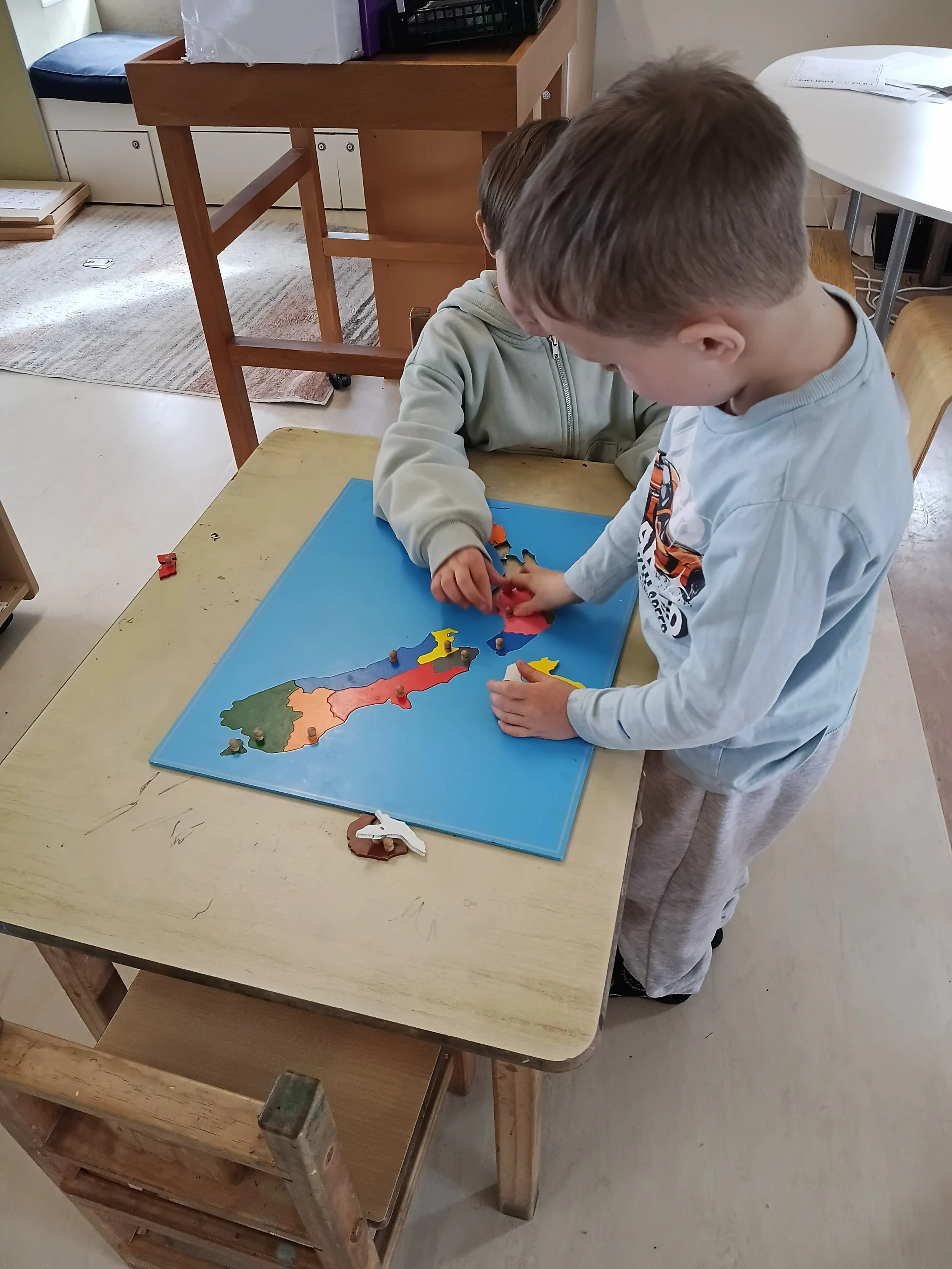
Sometimes changing the environment changes everything
“Although mainstream tried really hard to help my neurodiverse child settle into school life, my child struggled really hard. It was when he moved to Montessori that we saw this was the best place for him. He was happier in this environment, which meant he was coping better. His behaviour has changed, he is calm and he feels he can be his true self.”
S — Porirua City
New to Montessori?
That's completely okay.
Children do not need to have attended a Montessori preschool before joining Porirua Montessori.
Montessori education combines strong academics with hands-on learning, mixed-age classrooms, independence and opportunities for children to explore ideas deeply.
Our teachers guide learning carefully while gradually helping children become increasingly capable of managing their own work.
For children aged 6–12, subjects are connected through Montessori's Cosmic Curriculum. Science, history, geography, culture, mathematics and language are not treated as isolated subjects, but as different parts of one fascinating story about our world.
Other Ways to Learn With Us
For Families outside Porirua wanting Montessori at home personalised to their child
For Families in Wellington who are Homeschoolers or children needing enrichment one day a week.
Wellington families wanting part school, part home
Come and visit, ask questions, and see if it feels right for your child — no pressure. Arrange your visit here or
call 021 0842 7037
FAQs
-
Montessori emphasizes student-centred learning, mixed-age classrooms, hands-on materials, practical life skills, and individualized progress through observation—not top-down teaching, rigid grading, or pacing.
-
Yes. Montessori classrooms are flexible, mixed-ability environments designed to support different learning styles and developmental levels. That said, schools may evaluate individual needs case by case, particularly for children with significant challenges.
-
Generally, yes. Research and anecdotal evidence suggest Montessori students adapt well to traditional settings, often excelling academically and socially. The method builds critical thinking, independence, and adaptability.
-
We believe Montessori can be for every child but the question is whether Montessori is for your family. Montessori schools require family commitment and the parent/s to reflect and grow in their own parenting and their own social and emotional journeys.
-
Montessori classrooms are designed for children to grow and thrive over several years. Our curriculum is both broad and deep, giving tamariki the chance to revisit rich topics—such as ancient civilisations—at increasing levels of complexity as they progress.
Because we are a small, family-based school, strong connections naturally form between children, teachers, and whānau. In this close community, every child has the opportunity to be both a learner and a teacher—sharing knowledge, building confidence, and learning the value of collaboration.
-
Yes. Montessori education is both academically rigorous and deeply engaging, though it may look different from traditional classrooms.
Strong foundations: Children master literacy, numeracy, science, and the arts through hands-on materials and real-world projects, building deep conceptual understanding rather than rote memorisation.
Depth and progression: The curriculum is carefully sequenced so that children revisit key concepts—such as history, geometry, or grammar—at increasing levels of complexity as they grow. This spiraling approach ensures strong retention and critical thinking.
Independence and responsibility: Because tamariki are encouraged to plan their work, manage their time, and reflect on their progress, they develop strong study habits and self-discipline—skills that serve them well in higher education.
Evidence of success: International research consistently shows Montessori students perform as well as, or better than, their peers academically, while also excelling in problem-solving, creativity, and social skills.
39 Cleat Street, Whitby Porirua
Porirua Montessori is a small Years 1–8 Montessori primary school in Whitby, serving families from Porirua and across the wider Wellington region.
Hours
Monday–Friday
8.45am - 2.45pm
Phone
(021) 0842 7037
A MANZ Member